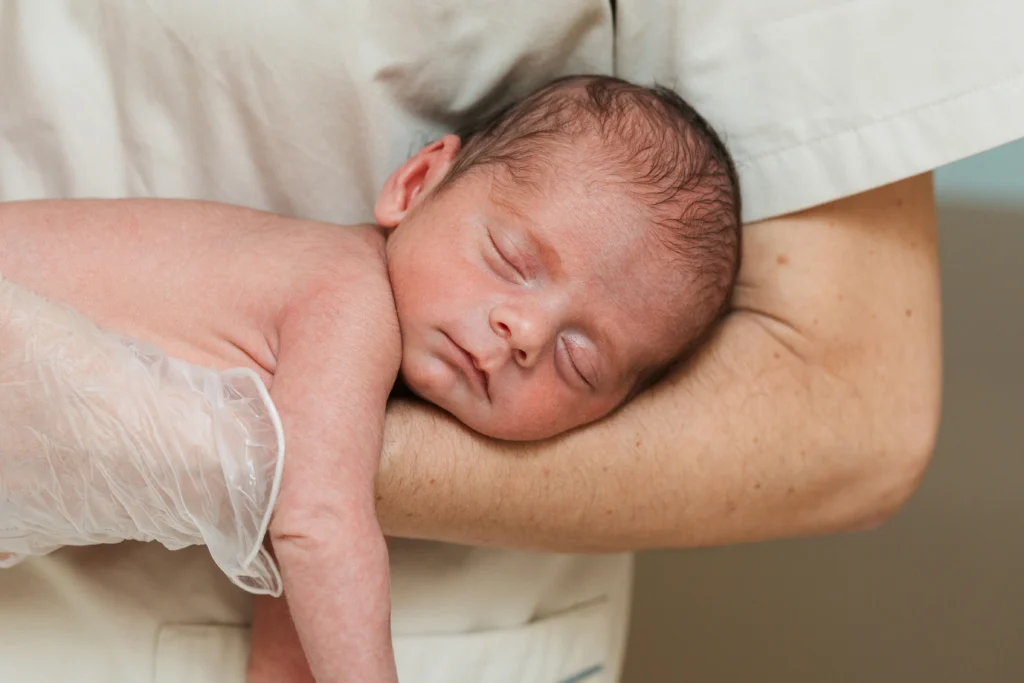
Caring for a newborn is a wonderful and sometimes overwhelming experience. Babies cannot tell you where they hurt or how they feel, so even small changes can cause worry. Many parents ask if they can give Tylenol to a newborn and how to use it safely. Tylenol is a common medicine for pain and fever, but newborns are very sensitive, and their tiny bodies need special care.
This guide explains what Tylenol is, when doctors may recommend it, safety rules for newborns, warning signs to watch for, and how to speak with your baby’s doctor. The goal is to help parents feel confident and informed without using complicated medical terms.
Before reading, please remember that newborns should never be given Tylenol without a doctor’s approval. A newborn is a baby under 8 weeks old. At this age, fever can be a sign of a serious infection, so medical care is always the first step.
What Is Tylenol
Tylenol is the brand name for a medicine called acetaminophen. It is used to reduce pain and lower fever. Adults use it for headaches, muscle aches, and colds. Children use it for fever and discomfort from teething, colds, or earaches.
For babies, Tylenol comes in a liquid form called infant acetaminophen. It is flavored and made in a way that is gentle on a baby’s stomach. Even though it is common, it must be used with great care in newborns.
Can Newborns Have Tylenol
In most cases, doctors do not recommend Tylenol for babies younger than 12 weeks unless they have examined the baby first. A fever in a newborn can be a sign of an infection that needs medical treatment. Giving Tylenol before the doctor checks the baby may hide the fever and delay diagnosis.
For newborns less than 8 weeks old, a fever is always treated as an emergency. You should call your doctor or seek medical care right away.
There are rare situations where a doctor may allow Tylenol for a newborn, such as after a specific medical procedure or when the doctor has already given clear instructions. Even then, it is important to follow exactly what the doctor says.
Why Doctors Are Careful With Newborns
Newborns are not just small versions of older children. Their organs are still developing. This includes the liver, which processes acetaminophen. Because their liver is not fully mature, newborns cannot break down the medicine efficiently. Too much medicine can build up in the body.
Giving Tylenol without guidance can increase the risk of side effects or overdose. Even a small mistake with the amount can be harmful. That is why parents should always speak to a doctor before giving Tylenol to a newborn.
When Doctors May Recommend Tylenol
Although Tylenol is not often given to babies under 12 weeks, there are some cases when a doctor may recommend it. These do not apply unless your baby’s doctor has specifically told you it is safe.
Doctors may approve Tylenol for:
- Pain after certain medical procedures
- Pain after vaccinations if the doctor decides it is necessary
- Post-surgical recovery under medical supervision
- Discomfort from diagnosed medical conditions
Even in these cases, the doctor will give you the exact amount and timing. Never use Tylenol for any reason in a newborn without medical instruction.
Why You Should Never Guess the Dose
One of the biggest dangers with Tylenol in babies is guessing the dose. The correct amount depends on the baby’s weight, age, overall health, and the specific product used. The wrong amount can lead to liver damage.
Newborn doses are extremely small. Using a kitchen spoon or estimating is unsafe. Doctors use precise measurements based on the baby’s weight in kilograms or pounds.
Never copy a dose used for an older sibling. Never follow online charts. Never guess.
The only safe dose for a newborn is the dose given directly by a health professional who knows your baby’s medical history.
Fever in Newborns: When to Call the Doctor
If your newborn has a fever, you should get medical care right away. A newborn fever is different from an older child’s fever.
Call your doctor or go to the emergency room if:
- Your baby is younger than 8 weeks and has a temperature of 100.4 degrees Fahrenheit or higher
- Your baby seems unusually sleepy, not feeding well, vomiting often, or crying differently
- Your baby has cold hands and feet with a warm body
- Your baby has trouble breathing
- Your baby seems uncomfortable or in pain
- Your baby has fewer wet diapers than normal
Do not give Tylenol to bring the fever down. Get medical help first.
How Tylenol Works in a Baby’s Body
Tylenol helps reduce fever by lowering the body’s temperature set point. It also reduces pain by blocking certain chemicals that cause discomfort. In adults this process is simple, but in babies the medicine moves more slowly. Their liver and kidneys work differently, and their bodies are very small. This is why doctors have strict rules about using Tylenol for newborns.
Even with older babies, doctors encourage careful timing and measurement. With newborns, this becomes even more important.
Side Effects of Tylenol in Newborns
Although Tylenol is considered safe when used correctly, newborns can be more sensitive to it. Possible side effects include:
- Rash
- Upset stomach
- Changes in sleep
- Vomiting
- Loss of appetite
More serious signs that require immediate medical care include:
- Yellow skin or eyes
- Extreme sleepiness
- Difficulty waking up
- Trouble breathing
- Unusual fussiness that cannot be soothed
These symptoms can be signs of a reaction or that the medicine is affecting the liver.
If you notice any unusual changes after giving Tylenol that was approved by a doctor, seek help right away.
Why You Should Not Mix Tylenol With Other Medicines
Some products also contain acetaminophen, even if they are not labeled as Tylenol. Many cold and flu medicines for adults contain acetaminophen along with other ingredients. Babies should never take those products, and even small accidental doses can cause problems.
Always check with a pharmacist or doctor before giving any medicine to a newborn. Never give a baby any over-the-counter cold, cough, sinus, or allergy medicine without medical approval.
Mixing medicines can lead to an accidental overdose.
What If a Newborn Accidentally Takes Tylenol
If you think your newborn took Tylenol by accident, or if someone gave the baby Tylenol without checking with a doctor, seek help immediately. Call your pediatrician, your local emergency number, or poison control right away.
Signs of accidental overdose in newborns include:
- Unusual sleepiness
- Vomiting
- Refusing to feed
- Yellow tint in the skin
- Swelling in the belly
- Irritability
- Trouble breathing
Do not wait for symptoms to appear. Act quickly.
Safer Ways to Comfort a Newborn Before Using Medicine
Many newborn discomforts can be helped without medicine. Unless a doctor advises Tylenol, try these gentle methods first.
For Fussiness
- Hold your baby close
- Rock or sway gently
- Try a warm bath
- Offer skin to skin contact
- Check for hunger, gas, or diaper irritation
For Congestion
- Use a cool mist humidifier
- Use saline drops and a suction bulb
- Keep the baby upright during feeds
For Gas or Tummy Pain
- Gently rub the baby’s belly
- Hold the baby upright after feeding
- Burp the baby often
For Teething (in older infants)
For newborns younger than 8 weeks, teething is unlikely. However, for slightly older babies, chilled teething toys can help.
When you focus on comfort methods first, you reduce the need for medicine and help your baby feel secure.
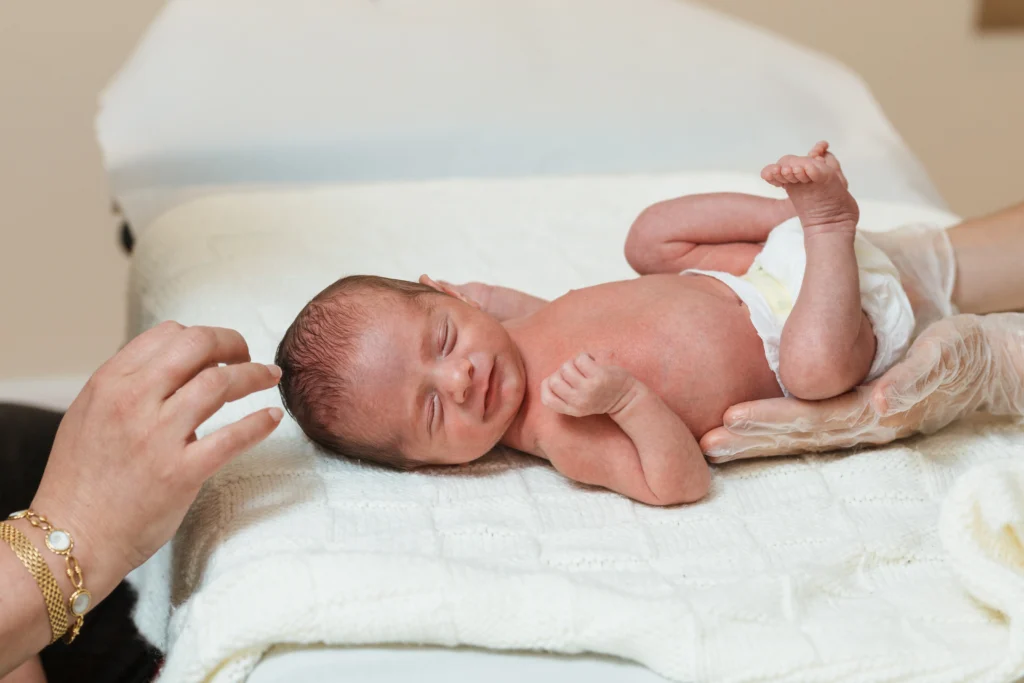
Talking to Your Doctor About Tylenol
Many new parents feel nervous about calling their doctor, but it is always better to ask. Doctors expect parents to call about newborn fevers or medicines. It is part of their job to guide you.
When you call, be prepared to share:
- Your baby’s age
- Your baby’s exact temperature
- Your baby’s symptoms
- When the symptoms started
- Any medicine that was given
- Your baby’s feeding and diaper habits
Doctors may ask you to bring the baby in to check for infection. Newborns cannot tell us what is wrong, so early medical care is very important. Never feel guilty for asking questions about Tylenol or any medicine. Your doctor would rather you ask than guess.
When Babies Are Old Enough for Tylenol
Most babies can safely use Tylenol after 12 weeks, but always check with a doctor first. At that age, doctors may provide a dose based on the baby’s weight. As your baby grows, the doctor will adjust the amount. Even then, parents must measure carefully and avoid giving Tylenol too often.
Even after 12 weeks, do not give Tylenol more than the doctor recommends.
What Makes This Medicine Common and Trusted
Tylenol has been used for many years. Doctors choose it because:
- It is gentle on the stomach
- It is safe for babies when used correctly
- It does not cause as many stomach problems as some other medicines
- It can help reduce fever and pain quickly
Even though it is common, it still requires caution, especially with newborns. Parents should think of Tylenol as a helpful tool that must be used properly to avoid harm.
Conclusion
Tylenol can be helpful for many babies, but newborns require special care. Their bodies are still growing, and they cannot process medicines the way older children can. Never give Tylenol to a newborn without clear medical guidance. If your newborn has a fever, discomfort, or signs of illness, call your doctor right away.
This guide is meant to help parents understand the basics and feel more confident. When it comes to newborns, the safest plan is always to talk with a health professional before giving any medicine.
Disclaimer – This guide is for general information only. It is not medical advice and should not be used to diagnose or treat any condition. Always talk to your doctor, pediatrician, or pharmacist before giving Tylenol or any medicine to a newborn. Never delay seeking medical help because of something you read here. Your baby’s health and safety should always come first.